Restoration versus Replacement.
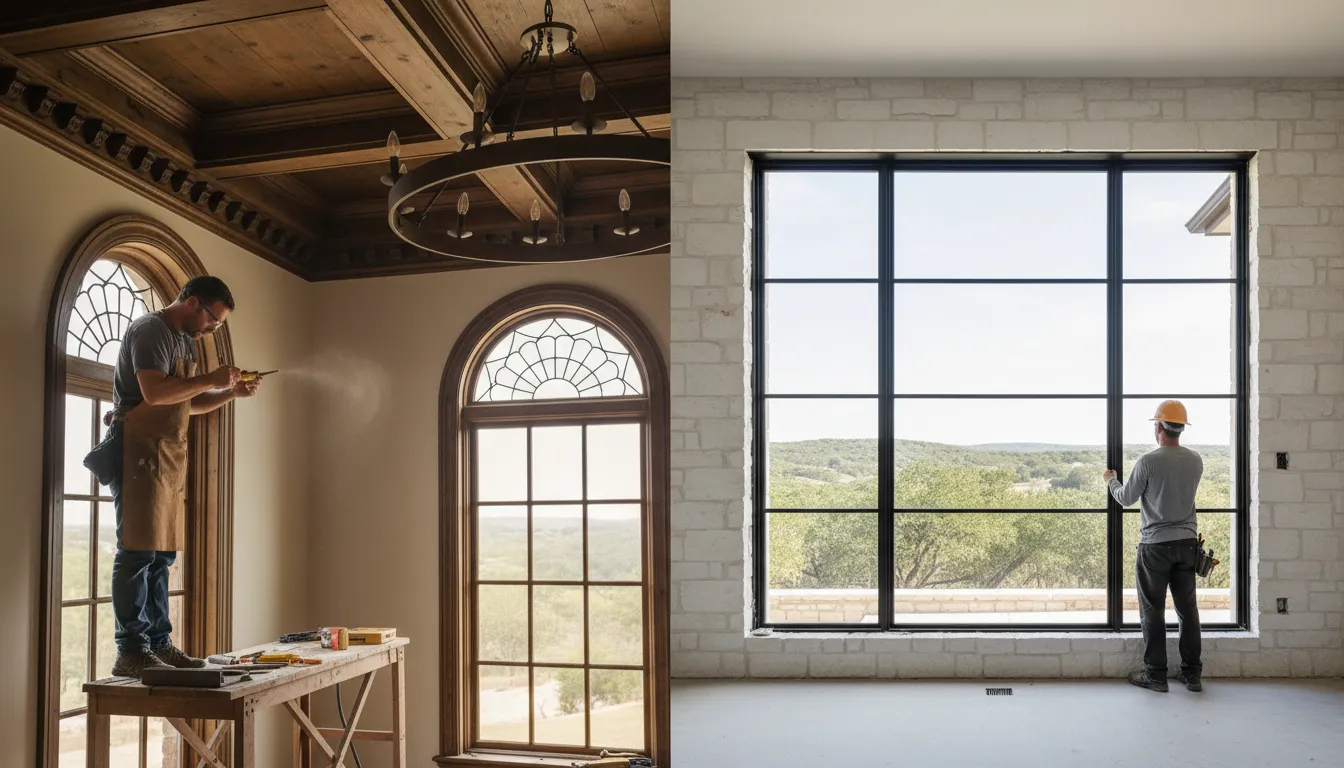
Preserving Legacy or Embracing Innovation: The Restoration vs. Replacement Dilemma
For the discerning homeowner, a residence is rarely just a shelter; it is a curation of architectural history, craftsmanship, and personal aesthetic. When critical components of a high-end home—be it intricate millwork, slate roofing, or century-old sash windows—begin to show signs of age or failure, the owner faces a complex decision: Restoration or Replacement. This is not merely a question of cost, but a calculation of provenance, performance, and long-term value.
The Case for Restoration: Honoring the Provenance
Restoration is the act of returning a structure or component to its original condition using period-appropriate materials and techniques. In the context of luxury real estate, restoration is often the superior choice for maintaining the "soul" of the property.
The primary argument for restoration lies in the quality of historical materials. Homes built prior to 1950 often utilize old-growth lumber—wood harvested from mature trees with tight grain patterns that offer density, rot resistance, and stability that modern, farm-grown timber cannot match. To replace an old-growth heart pine floor or a mahogany door with modern equivalents is often a downgrade in material quality, regardless of the price tag.
Furthermore, restoration preserves architectural integrity. In historic districts or architecturally significant homes, the imperfections—such as the distinctive distortion of cylinder glass windows or the hand-tool marks on cabinetry—are not flaws; they are the patina of history that validates the home's authenticity. A skilled restoration specialist can epoxy consolidated rotted wood, re-glaze windows, and refinish surfaces to function perfectly while retaining that irreplaceable character.
The Case for Replacement: Engineering and Efficiency
There are instances where the romanticism of the old must yield to the engineering of the new. Replacement becomes the logical path when a component has suffered catastrophic structural failure, or when the gap between historical performance and modern necessity becomes too wide to bridge.
In high-end homes, "replacement" does not imply installing off-the-shelf products. It refers to architectural reproduction. This involves commissioning artisans to fabricate exact replicas of original features using modern technologies. For example, a homeowner might replace single-pane drafty windows with custom-milled sashes that replicate the original profile exactly but incorporate vacuum-insulated glass, Low-E coatings, and hidden weatherstripping.
Replacement is also necessary when safety or insurance mandates are at play. antiquated knob-and-tube wiring, lead plumbing, or roofing systems that no longer meet fire codes must be replaced to protect the asset and its inhabitants. Here, the goal is to integrate these modern systems seamlessly, hiding the "newness" behind a period-correct façade.
The Technical Decision Matrix
When weighing these options, homeowners should consult with architects and preservationists to analyze the following factors:
- Material Irreplaceability: Is the material rare or extinct (e.g., American Chestnut)? If so, restoration is almost always required.
- Energy Metrics: Can the existing element be retrofitted to meet modern energy standards (e.g., storm windows over historic sashes), or is total replacement the only way to achieve the desired thermal envelope?
- The 50% Rule: A common industry standard suggests that if more than 50% of a unit (like a window frame or roof section) is degraded, replacement is more structurally sound and cost-effective than repair.
- Market Value: In the luxury market, "original features" often command a higher premium than "newly renovated." Removing original elements can inadvertently devalue a historic estate.
Conclusion: The Hybrid Approach
Ultimately, the choice between restoration and replacement is rarely binary. The most successful high-end projects often employ a hybrid approach. This might look like restoring the visible, aesthetic elements of a grand staircase while replacing the underlying structural supports, or keeping original window frames while retrofitting them with high-performance glass.
Whether you choose to restore the old or commission the new, the guiding principle for the high-end home should always be quality. Stewardship of a luxury home requires an investment in skilled tradespeople who understand that they are not just fixing a house, but preserving a legacy for the next generation.
Relevant Services
The Shop Editorial Team
See Our Work.
We don't just write about it. Here are recent projects matching this topic.
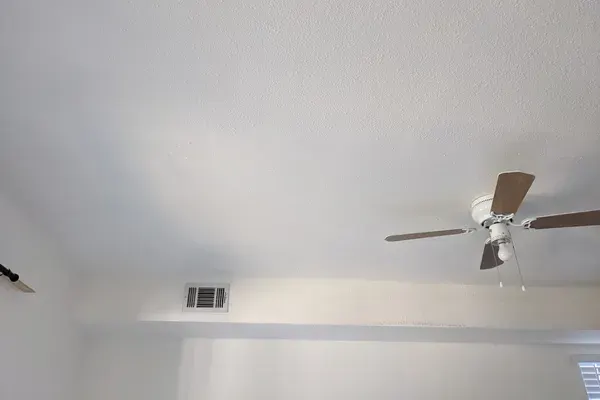
Seamless Ceiling Restoration and Structural Repair
Need help with this?
Our team specializes in the details discussed in this article. Schedule a consultation to bring this level of craft to your home.