Vertical Slat Wall
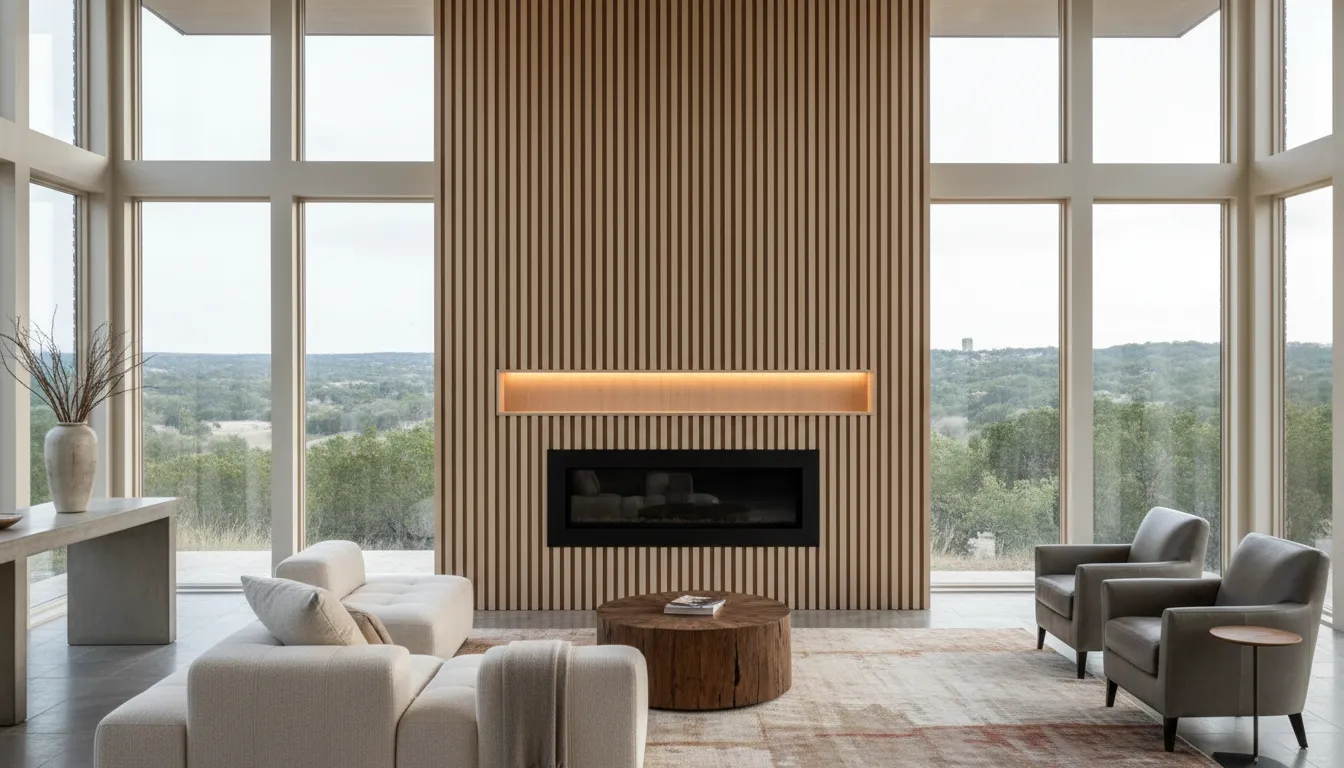
The Architectural Renaissance: Elevating Interiors with Vertical Slat Walls
In the realm of high-end residential design, the transition from mere decoration to architectural integration is what defines a truly luxury space. The vertical slat wall, often referred to as a "linear timber wall," has emerged as a cornerstone of modern sophistication. For the discerning homeowner, this is not simply a trend; it is a permanent architectural statement that provides texture, rhythm, and a sense of structural integrity to an interior environment. By breaking up the monotony of flat surfaces, slat walls introduce a play of light and shadow that evolves throughout the day, creating a dynamic living experience.
Materiality and Craftsmanship: The Foundation of Luxury
For a high-end installation, the choice of material is paramount. While lower-end alternatives often rely on MDF or thin veneers, a premium slat wall is defined by the use of solid hardwoods such as American Walnut, European Oak, or reclaimed Teak. These materials offer a depth of grain and a richness of color that cannot be replicated. The technical specification of these slats—often ranging from 20mm to 50mm in width—requires precision milling to ensure perfectly straight lines and uniform spacing. When finished with high-quality oils or matte lacquers, the wood retains its natural tactile quality while gaining protection against UV degradation and moisture, ensuring the installation remains a timeless asset to the home.
Acoustic Engineering and Spatial Comfort
Beyond its visual impact, the vertical slat wall serves a critical functional purpose: acoustic management. Modern luxury homes frequently feature expansive open-floor plans with hard surfaces like polished concrete, marble, or large-format glass. These materials, while beautiful, create acoustic challenges, leading to echo and sound reverberation. High-end slat systems are often engineered with a recycled felt or acoustic mineral wool backing. The gaps between the wooden slats allow sound waves to pass through and be absorbed by the backing material rather than bouncing back into the room. This "diffusion and absorption" technique transforms a high-ceilinged great room into a serene, quiet sanctuary, enhancing the overall comfort of the living space.
Design Versatility: Height, Depth, and Hidden Integration
The vertical orientation of the slats performs a visual trick, drawing the eye upward and creating the illusion of greater ceiling height. This is particularly effective in primary suites or formal dining areas where a sense of grandeur is desired. Furthermore, the "ribbed" nature of the wall allows for the seamless integration of modern technology. Designers often use slat walls to conceal "jib doors"—hidden portals to pantries or private offices that sit flush with the wall, maintaining a continuous aesthetic line. Additionally, LED linear lighting can be recessed between the slats to provide soft, ambient illumination that highlights the texture of the wood without the glare of traditional fixtures.
Installation Excellence and Long-Term Value
A high-end slat wall is an investment in the property’s capital value. Precision installation is non-negotiable; it requires a deep understanding of thermal expansion and contraction. Expert installers utilize hidden fastening systems that allow the wood to "breathe" while ensuring that no screws or nails mar the visible surface. For the homeowner, this means a maintenance-free feature that age gracefully. Unlike wallpaper or paint, which may require refreshing every few years, a well-crafted timber slat wall matures, developing a subtle patina that adds character and history to the home.
Ultimately, the vertical slat wall represents a perfect marriage of form and function. It offers a tactile warmth that balances the coolness of modern minimalism, providing the high-end homeowner with a space that feels curated, quiet, and architecturally complete.
The Shop Editorial Team
See Our Work.
We don't just write about it. Here are recent projects matching this topic.
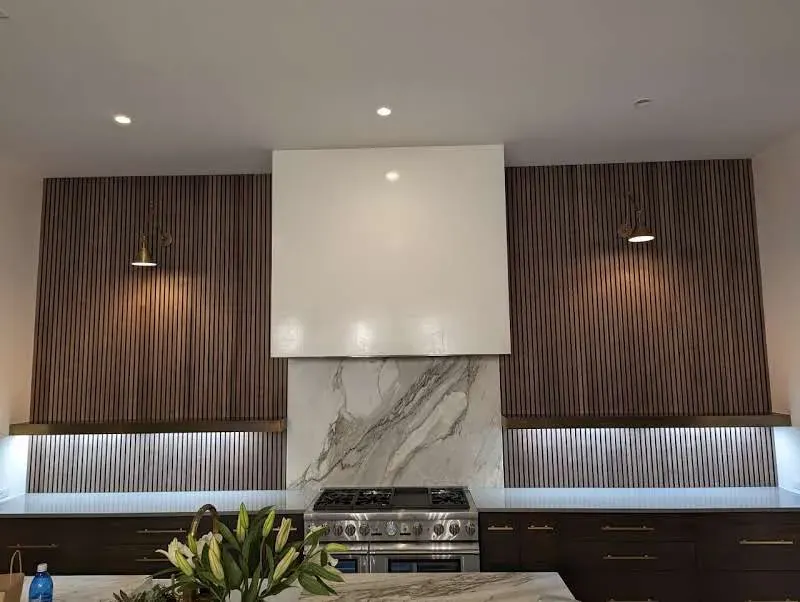
Vertical Walnut and Calacatta Kitchen Sanctuary
Need help with this?
Our team specializes in the details discussed in this article. Schedule a consultation to bring this level of craft to your home.